DIY Fabric Dyeing: 3 Trending Colors for Your 2026 Wardrobe
Advertisement
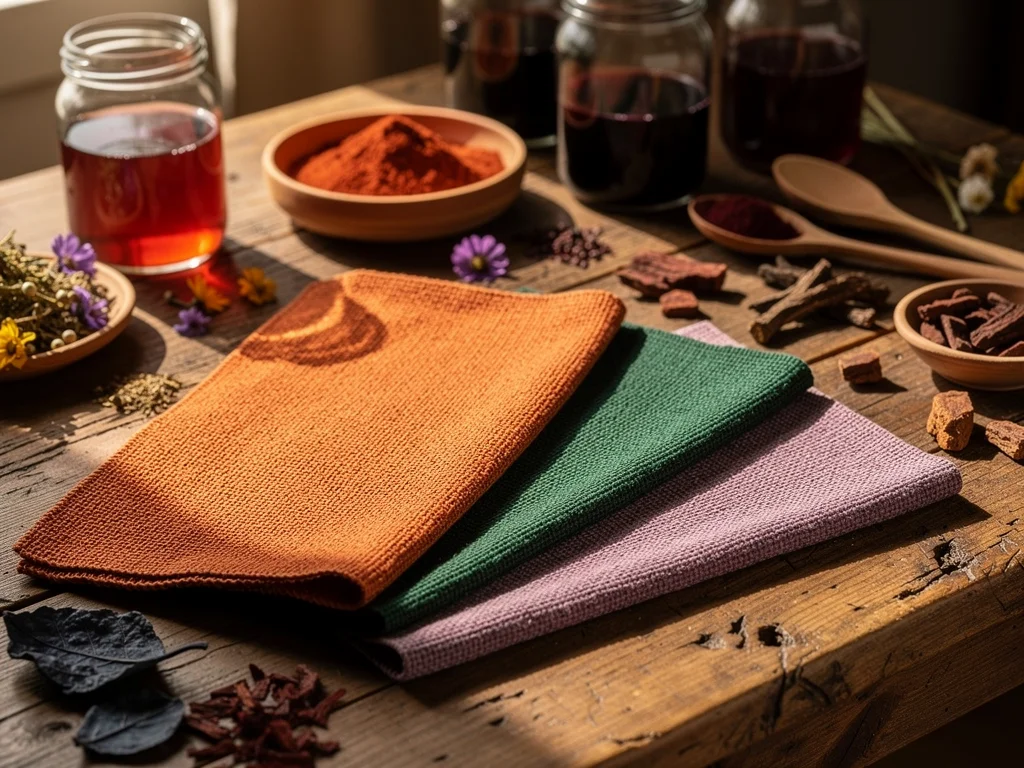
Natural fabric dyeing transforms ordinary garments into statement pieces. Three trending colors dominate 2026 wardrobes: terracotta orange, deep forest green, and dusty lavender. This guide shows how to achieve professional results at home using sustainable methods.
DIY Fabric Dyeing: Achieve 3 Trending Colors for Your 2026 Wardrobe with Natural Dyes
Fashion in 2026 is defined by authenticity and sustainability. More Americans are moving away from fast fashion, choosing instead to personalize their existing wardrobe through natural dyeing techniques. The shift reflects a broader desire for meaningful consumption, where clothing tells a story rather than following fleeting trends.
This movement goes beyond aesthetics. Natural fabric dyeing uses plant-based pigments, requires fewer chemicals than conventional methods, and gives garments a second life. For those looking to refresh their closet without contributing to textile waste, mastering these techniques offers both creative expression and environmental responsibility.
Why Natural Dyes Lead 2026 Fashion
The fashion industry has long struggled with its environmental footprint. Conventional synthetic dyes pollute waterways and require toxic chemicals. In response, designers and hobbyists alike have turned to botanical sources that have been used for centuries. These include indigo plants, madder root, turmeric, and avocado pits, each producing rich, lasting colors that synthetic alternatives cannot match.
Natural dyes also age beautifully. Unlike synthetic colors that fade unevenly, plant-based pigments develop a character over time. A terracotta shirt dyed with madder root becomes more vibrant after multiple washes, not less. This longevity aligns perfectly with the 2026 focus on wardrobe investment pieces that last for years rather than seasons.
Advertisement
The Science Behind Plant-Based Pigments
Understanding how natural dyes work helps achieve consistent results. Plant pigments contain molecules called anthraquinones and flavonoids that bond with fabric fibers when properly prepared. The key lies in mordanting, a process where the fabric is treated with a binding agent like alum or tannic acid. This step ensures the color remains permanent through washing and wear.
Different plants require different mordanting approaches. Indigo, for instance, does not need a mordant because it bonds through a reduction process during fermentation. Meanwhile, madder root works best with an alum pre-treatment. This distinction matters for anyone serious about achieving professional-quality results at home.
- Alum mordant works well with most plant dyes and is safe for skin contact
- Tannic acid from oak galls improves color fastness for dark shades
- Iron sulfate deepens colors but may shift hues toward gray-green
- Calcium carbonate (chalk) softens water and improves dye uptake
Terracotta Orange: The Warm Neutral Dominating Wardrobes
Terracotta has emerged as the defining neutral of 2026. Unlike bright orange, this earthy shade works with virtually everything in your closet. It pairs equally well with denim and white linen, making it endlessly versatile. The color draws from clay and sun-baked earth, evoking a sense of groundedness that resonates with contemporary life.
Advertisement
Achieving terracotta at home requires madder root, one of the most reliable natural dye sources. The plant produces shades ranging from bright coral to deep brick red, depending on the fabric type and mordant used. Cotton and linen respond particularly well, taking on a rich, saturated tone that synthetic dyes often fail to replicate.
The process begins with soaking the fabric in warm water for at least thirty minutes. Meanwhile, the madder root simmers in a stainless steel pot for sixty minutes, creating a bath that should never reach a full boil. The fabric then enters the dye bath and remains there for forty-five minutes to an hour, with occasional stirring to ensure even coverage.
Tips for Perfect Terracotta Results
Temperature control matters more than most beginners realize. A gentle simmer produces deeper, more saturated colors than rapid boiling. Additionally, hard water can dull the final result, so using distilled water or adding a small amount of washing soda helps achieve the vibrant shade that defines this trending color.
Timing also plays a crucial role. Removing the fabric too soon produces a pale, washed-out color that requires re-dyeing. Leaving it too long, however, can result in brown undertones that move away from the desired terracotta. Checking the color every fifteen minutes during the final half-hour provides the best control.
Deep Forest Green: Nature’s Most Sophisticated Shade
Forest green represents sophistication in the 2026 color palette. Unlike bright spring greens, this shade carries depth and mystery. It works particularly well for fall and winter wardrobes, adding richness to coats, sweaters, and scarves. The color connects wearers to nature without appearing overly literal or thematic.
Creating forest green with natural dyes typically involves a two-step process. First, the fabric is dyed yellow using turmeric or weld, a plant that produces bright, lasting yellows. Then, the fabric is overdyed with indigo, a process that creates green through the interaction of yellow and blue pigments. This combination produces a green that no single plant source can match.
The indigo vat requires preparation that intimidates many beginners but rewards patience. Using fructose-reduced indigo, a method popularized by natural dye experts in recent years, creates a workable vat that stays active for days. This approach eliminates the need for harsh reducing agents while producing consistent, professional results.
Achieving Consistent Forest Green
The yellow base must be strong enough to show through the indigo overlay. Weak yellow results in muddy, grayish green that lacks the depth characteristic of forest shades. Testing the yellow intensity before introducing the indigo helps avoid this common mistake.
Indigo works through oxidation. The fabric appears green or even yellow when first removed from the vat, then shifts to blue as it meets the air. This transformation continues for several hours, meaning the final green emerges gradually. Allowing the fabric to rest undisturbed for at least two hours before rinsing ensures the color has fully developed.
Dusty Lavender: The Soft Romantic Tone Rising in Popularity
Dusty lavender has captured the imagination of fashion-conscious Americans seeking something between traditional purple and neutral gray. The shade offers romance without heaviness, making it suitable for both casual and dressy occasions. It coordinates beautifully with cream, gray, and the terracotta shade also trending this year.
Natural sources for lavender include black-eyed Susan flowers, logwood, and cochineal insects. Each produces a slightly different undertone, allowing for customization based on personal preference. Black-eyed Susan creates a soft, slightly grayish lavender ideal for everyday wear. Logwood produces deeper, more saturated shades suited for statement pieces.
The process differs slightly from terracotta or forest green because many lavender sources require careful temperature control. Excessive heat destroys the delicate pigment molecules, resulting in faded, uneven color. Maintaining a gentle warmth throughout the dyeing process preserves the subtle complexity that defines dusty lavender.
Working with Delicate Lavender Pigments
Straining the dye bath thoroughly before use removes plant particles that could create spots or inconsistencies. Using a fine mesh strainer lined with cheesecloth ensures a smooth, even application. This extra step distinguishes amateur results from professional-quality finishes.
Timing for lavender dyes tends to be shorter than for other colors. Over-dyeing quickly shifts the color toward gray or brown, losing the romantic quality that makes dusty lavender appealing. Checking the color every ten minutes after the first thirty minutes provides the best control over the final shade.
Building Your Natural Dye Practice
Starting with natural fabric dyeing requires minimal investment. A stainless steel pot, a wooden spoon, alum, and basic dye materials can be acquired for under fifty dollars. Many natural dye suppliers offer starter kits designed specifically for beginners, taking the guesswork out of initial purchases.
Experimentation drives mastery. Recording each dyeing session, including temperatures, timing, and material sources, builds a personal reference library that improves results over time. What seems mysterious at first becomes predictable with practice, allowing for increasingly ambitious projects.
The community around natural dyeing has grown substantially. Local workshops, online forums, and social media groups connect enthusiasts willing to share knowledge and troubleshoot problems. This support network makes the learning curve less intimidating for those just beginning their natural dye journey.
What This Means for Your Wardrobe
Natural fabric dyeing offers a way to express individuality while respecting environmental limits. The three trending colors of 2026, terracotta, forest green, and dusty lavender, provide a palette that works across seasons and occasions. Each can be achieved at home with patience and practice.
The skills developed through natural dyeing transfer to other creative pursuits. Understanding color theory, fabric preparation, and chemical reactions builds a foundation that applies far beyond this specific craft. For those seeking meaningful engagement with their clothing, natural dyeing provides exactly that opportunity.
As we move further into 2026, expect to see these colors and techniques gain even more visibility. The shift toward sustainable fashion is not a passing trend but a fundamental change in how we relate to clothing. Mastering natural fabric dyeing positions you at the forefront of this movement, ready to transform your wardrobe with your own hands.