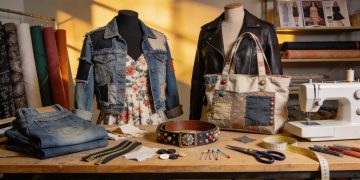
DIY Fashion Hacks: Extend Your Wardrobe’s Life by 12 Months
Advertisement
Implementing DIY fashion hacks allows you to significantly extend the life of your wardrobe by up to 12 months, transforming old garments into fresh, functional pieces through creative and sustainable upgrades.
In a world increasingly focused on sustainability and mindful consumption, extending the life of your clothing has become more than just a trend; it’s a practical and empowering approach to fashion. This article dives deep into
DIY fashion hacks, offering insider knowledge to help you breathe new life into your existing wardrobe. Instead of constantly buying new, imagine transforming your current garments and enjoying them for at least another 12 months.
These smart upgrades are not only budget-friendly but also a creative way to express your unique style while contributing to a more sustainable fashion ecosystem.
Mastering Basic Repairs: The Foundation of Wardrobe Longevity
Before we delve into exciting transformations, understanding basic clothing repairs is paramount. Many garments are discarded prematurely due to minor flaws that are easily fixable. Mastering these fundamental skills can save you money and keep your favorite pieces in rotation for much longer.
Advertisement
Think of it as preventative maintenance for your clothes. A small tear today can become a gaping hole tomorrow if left unattended. proactive repair not only extends a garment’s life but also maintains its aesthetic appeal. It’s about respecting the craftsmanship and resources that went into making your clothes.
Sewing a Button
Losing a button is a common mishap, but easily remedied. Keeping a small sewing kit on hand with various thread colors and spare buttons is a simple yet effective strategy. This quick fix can instantly restore a garment’s functionality and appearance.
- Choose a strong thread that matches the garment.
- Align the button over the buttonhole or original stitch marks.
- Sew through the buttonholes several times, creating a secure attachment.
- Finish with a knot on the underside of the fabric.
Mending a Small Tear or Seam Rip
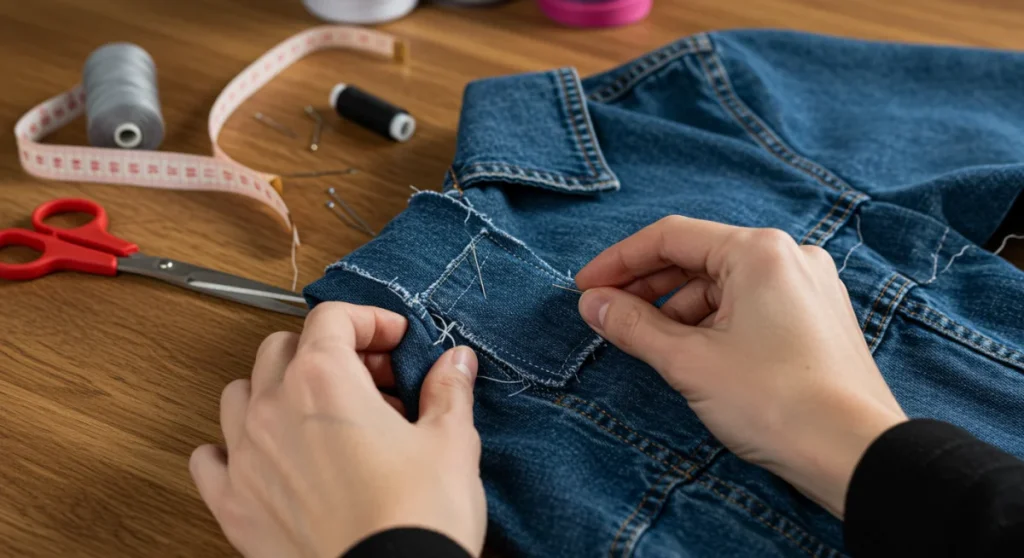
Small tears or unraveled seams are often the first signs of wear. Addressing these promptly prevents further damage and preserves the garment’s integrity. Hand-stitching is often sufficient for these minor repairs.
Advertisement
For a clean finish, turn the garment inside out. Use a needle and thread that blend with the fabric. A simple running stitch or backstitch can close up a seam rip effectively, making it almost invisible. For small holes, a patch applied from the inside can provide reinforcement.
Ultimately, mastering basic repairs is the bedrock of extending your wardrobe’s life. It empowers you to take control of your clothing’s destiny, turning potential discards into cherished, long-lasting items. These skills are accessible to everyone and offer immediate, tangible benefits for your style and your wallet.
Creative Darning and Patchwork: Adding Character to Worn Items
Beyond simple repairs, creative darning and patchwork offer a unique opportunity to not only fix but also enhance your clothing. This approach transforms flaws into features, giving garments a distinctive, personalized touch while significantly extending their wearability. It’s a testament to the beauty of visible mending.
Instead of trying to hide imperfections, embrace them. Darning, traditionally used for socks and knitwear, can be adapted for woven fabrics, creating a decorative element. Patchwork, on the other hand, allows for bolder statements, integrating different fabrics and textures.
Visible Mending Techniques
Visible mending celebrates the repair process, making it an integral part of the garment’s design. This philosophy encourages a more sustainable mindset, viewing clothes not as disposable but as items with a story to tell. Techniques like Sashiko stitching from Japan are perfect examples.
- Sashiko stitching: A simple, running stitch used to reinforce fabric and create geometric patterns.
- Colorful darning: Using contrasting thread colors to mend holes, turning them into eye-catching designs.
- Appliqué patches: Cutting shapes from different fabrics and sewing them onto a garment to cover a hole or stain.
Transforming with Patches and Embellishments
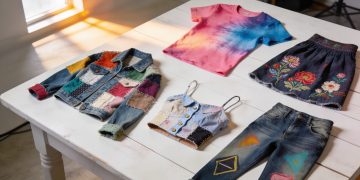
Patches aren’t just for covering holes; they can be used to completely alter the aesthetic of a garment. Whether store-bought or handmade, patches can inject personality and a contemporary edge into an otherwise plain item. Embellishments like embroidery or beads can further elevate the design.
Consider adding patches to denim jackets, jeans, or even canvas bags. The strategic placement of a few well-chosen patches can completely revitalize an item, making it feel brand new. Embroidery, even simple stitches, can add intricate details and a bespoke feel. These techniques are particularly effective for extending the life of items that might otherwise be discarded due to minor damage or simply feeling dated.
By embracing creative darning and patchwork, you’re not just fixing clothes; you’re engaging in a form of wearable art. This approach fosters a deeper connection with your wardrobe, turning each piece into a unique expression of your style and commitment to sustainability. It’s an empowering way to extend clothing life and stand out from the crowd.
Dyeing and Fabric Painting: A Colorful Wardrobe Refresh
Sometimes, a garment isn’t worn out, but simply feels uninspired due to its color or pattern. Dyeing and fabric painting offer a fantastic solution, allowing you to completely refresh the look of clothing and extend its appeal. This is a powerful way to update your wardrobe without buying new items.
From dull whites to faded blacks, many items can be transformed with a fresh coat of color. This not only covers up stains or discoloration but also allows you to experiment with new aesthetics and trends. It’s a creative outlet that yields tangible, wearable results.
Revitalizing Faded Fabrics with Dye
Dyeing is an incredibly effective method for restoring vibrancy to faded garments or completely changing their color. Natural fibers like cotton, linen, silk, and wool take dye particularly well. Synthetic fibers may require specific dyes or methods.
- Choose a dye color that complements the original fabric or completely covers it.
- Follow dye instructions carefully, paying attention to fabric type and water temperature.
- Consider tie-dye or Shibori techniques for unique patterns.
- Always wash and dry dyed items separately for the first few washes to prevent color transfer.
Adding Artistic Touches with Fabric Paint
Fabric paint offers precision and the ability to create intricate designs, stencils, or freehand art on your clothes. This method is ideal for adding personal flair, covering small blemishes, or creating custom graphics. It turns your clothing into a canvas for self-expression.
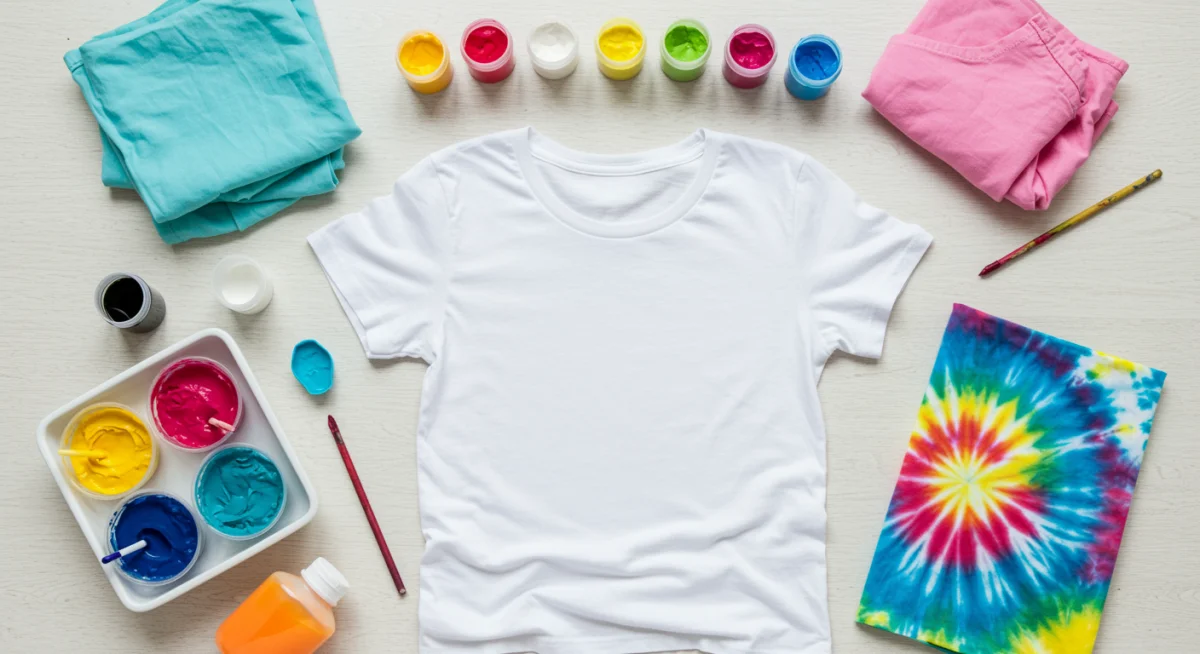
Before painting, ensure the fabric is clean and dry. Use fabric medium if you’re using acrylic paints to make them permanent and flexible. Practice on scrap fabric first to get a feel for the paint’s consistency and how it adheres to the material. Heat setting the paint as per instructions is crucial for durability.
Whether you opt for a dramatic color change with dye or subtle artistic accents with fabric paint, these techniques offer immense potential for wardrobe revitalization. They allow you to reclaim items that might otherwise be forgotten, transforming them into cherished pieces that reflect your evolving style. This creative intervention significantly extends the lifespan and relevance of your clothing.
Strategic Alterations: Tailoring for a Perfect Fit and New Style
Ill-fitting clothes are often relegated to the back of the closet, even if they’re in perfect condition. Strategic alterations are perhaps one of the most impactful DIY fashion hacks, allowing you to tailor garments to your body, update outdated styles, and unlock new potential from your existing wardrobe. A well-fitting garment always looks more expensive and polished.
Many people shy away from alterations, believing they require professional skills. However, simple adjustments can be made with basic sewing knowledge. The goal is to make your clothes work for you, rather than letting them dictate your comfort or style.
Hemming and Taking In Seams
The most common alterations are hemming and taking in seams. Pants that are too long or a dress that’s too baggy can completely change their appearance and wearability with these simple adjustments. A proper hem can make a garment look custom-made.
- Hemming pants or skirts: Adjusting the length to suit your height or preferred style.
- Taking in side seams: Tightening blouses, dresses, or pants for a more flattering silhouette.
- Shortening sleeves: Customizing sleeve length on shirts or jackets for a better fit.
Transforming Garment Silhouettes
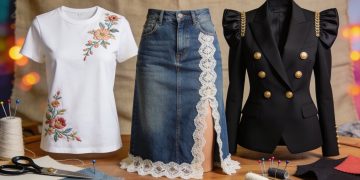
Beyond basic fit adjustments, alterations can completely transform the silhouette of a garment. An old maxi dress can become a chic midi skirt, or a wide-legged pair of jeans can be tapered into a contemporary slim fit. This level of transformation requires a bit more planning but yields dramatic results.
Consider deconstructing parts of a garment and reassembling them. For example, removing sleeves from a dress to create a sleeveless top, or cutting off the bottom of a shirt to create a crop top. These transformations are about seeing the potential beyond the original design, turning an unwanted item into a wardrobe staple that genuinely excites you. It’s a powerful way to extend the life of clothing by reinventing its purpose and style, ensuring it remains relevant in your personal fashion narrative.
Upcycling and Repurposing: Giving Clothes a Second Life
Upcycling and repurposing are advanced DIY fashion hacks that go beyond simple repairs or alterations. They involve transforming old or unwanted clothes into entirely new items, often with a different function or vastly updated aesthetic. This approach embodies circular fashion, minimizing waste and maximizing creativity.
Instead of discarding items that are beyond repair or no longer fit, consider their raw material potential. An old pair of jeans can become a tote bag, or a worn-out sweater can be reborn as cozy mittens. The possibilities are limited only by your imagination and basic crafting skills.
Transforming Old Garments into New Accessories
One of the most popular ways to upcycle clothing is by turning it into accessories. This is particularly useful for items with sentimental value or unique prints that you want to keep. Accessories require less fabric and can be made from smaller scraps.
- Old t-shirts into tote bags: A fun and practical way to reuse graphic tees.
- Denim scraps into headbands or pouches: Utilizing durable denim for small, useful items.
- Sweater sleeves into leg warmers or fingerless gloves: Repurposing knitwear for warmth and style.
Creative Repurposing for Home Decor or Other Uses
Repurposing extends beyond fashion, allowing clothing to find new life in your home. This is especially useful for items that are too damaged for wear but still have usable fabric. It’s an excellent way to reduce textile waste and add a personal touch to your living space.
Consider turning old shirts into pillowcases, or cutting up colorful fabrics to create a patchwork quilt. Denim can be used to reupholster small furniture items or create durable floor mats. Even old socks can become cleaning rags or pet toys. By thinking creatively, you can divert textiles from landfills and inject character into your home.
Upcycling and repurposing are powerful tools for sustainable living and creative expression. They challenge the linear model of consumption by giving materials a second, third, or even fourth life. Embracing these practices not only extends the life of individual garments but also contributes to a broader movement towards a more sustainable and resourceful future in fashion and beyond.
Proper Care and Storage: Preventing Premature Wear
While repairs and transformations are crucial, the simplest and most effective way to extend your wardrobe’s life is through proper care and storage. Many garments succumb to premature wear not from use, but from incorrect washing, drying, or storage methods. This foundational practice is often overlooked but yields significant returns.
Understanding fabric types and their specific needs is key. What works for cotton may be detrimental to silk or wool. Developing a mindful routine for laundry and organization can drastically improve the longevity of your entire wardrobe, ensuring your DIY fashion hacks efforts are not in vain.
Understanding Fabric Care Labels
The small labels sewn into your clothing are not mere suggestions; they are comprehensive guides to optimal garment care. Ignoring them is a common mistake that leads to shrinkage, fading, or damage. Taking a moment to decipher these symbols can save your clothes from an early demise.
- Always check the wash temperature recommendations.
- Note specific instructions for bleaching, drying, and ironing.
- Separate clothes by color and fabric type before washing.
- Hand wash delicate items or use a mesh laundry bag in the machine.
Smart Storage Solutions to Protect Garments
How you store your clothes significantly impacts their condition. Cramming garments into a small closet or leaving delicate items exposed can lead to wrinkles, stretching, and dust accumulation. Investing in smart storage solutions protects your clothes and keeps them ready to wear.
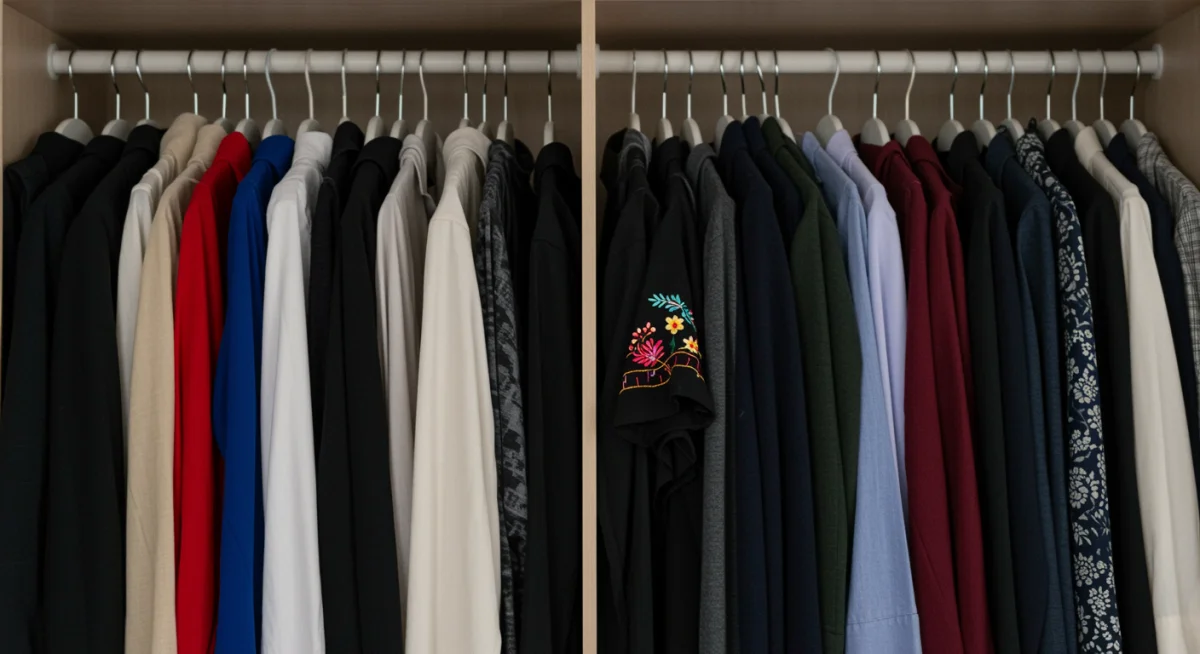
Use appropriate hangers for different types of clothing: padded hangers for delicates, sturdy hangers for coats, and clip hangers for skirts and pants. Fold heavy knits to prevent stretching. Store seasonal items in breathable garment bags or containers to protect them from dust and pests. Ensuring adequate air circulation in your closet also helps prevent mildew and odors, further extending the life and freshness of your clothes.
By integrating proper care and smart storage into your routine, you create a protective environment for your wardrobe. This preventative approach minimizes damage and wear, making your clothes last longer and look better. It’s the unsung hero of wardrobe longevity, ensuring that all your efforts in mending and upgrading truly pay off.
Accessorizing and Layering: New Looks with Existing Pieces
Sometimes, extending a garment’s life isn’t about physical repair or alteration, but about reinventing how it’s worn. Accessorizing and layering are powerful style techniques that can completely transform the perception of existing pieces, making them feel fresh and new without any sewing required. This is a brilliant way to maximize your wardrobe’s potential.
These methods allow you to create countless new outfits from a limited number of garments, combating wardrobe fatigue and ensuring your clothes remain relevant and exciting. It’s about creative styling, not constant buying.
Transforming Outfits with Scarves, Belts, and Jewelry
Accessories are game-changers. A simple dress can look entirely different when paired with a statement necklace, a wide belt, or a colorful scarf. These additions draw the eye, change the silhouette, and inject personality, making an old outfit feel completely new.
- Scarves: Use them as headbands, belts, or even woven into hairstyles.
- Belts: Cinch waistlines, define shapes, or add a pop of color to a monochrome outfit.
- Jewelry: Elevate casual looks or add sparkle to evening wear.
- Hats and bags: Instantly change the vibe and formality of an ensemble.
The Art of Layering for Versatility and Style
Layering is not just for warmth; it’s a sophisticated styling technique that adds depth, texture, and interest to an outfit. It allows you to wear items across different seasons and occasions, significantly extending their versatility and perceived lifespan. A dress worn alone can be a summer staple, but layered over a turtleneck or under a jacket, it becomes a multi-season piece.
Experiment with different textures and lengths. A long cardigan over a shorter top, a denim jacket over a floral dress, or a crisp shirt under a sweater vest – each combination creates a distinct look. Layering also helps adapt garments to changing temperatures, making them functional for more months of the year. This creative approach to styling ensures your existing wardrobe remains dynamic and exciting, offering endless possibilities without the need for new purchases.
Embracing Sustainable Fashion Practices: A Holistic Approach
Beyond individual DIY fashion hacks, embracing sustainable fashion practices is a holistic approach to extending your wardrobe’s life and minimizing your environmental footprint. It involves making conscious choices at every stage, from acquisition to eventual disposal, fostering a deeper connection with your clothes and the planet.
Sustainable fashion isn’t just about buying eco-friendly brands; it’s about shifting your mindset towards valuing longevity, quality, and ethical consumption. It’s a journey that complements all the DIY efforts we’ve discussed, creating a truly resilient and responsible wardrobe.
Mindful Shopping and Quality Over Quantity
The first step towards a sustainable wardrobe begins before an item even enters your closet. Mindful shopping focuses on purchasing fewer, higher-quality pieces that are built to last. This contrasts sharply with fast fashion’s disposable model.
- Invest in classic, versatile pieces that won’t go out of style quickly.
- Research brands for their ethical and environmental practices.
- Consider second-hand shopping and vintage finds for unique, pre-loved items.
- Avoid impulse purchases; take time to consider if an item truly fits your needs and existing wardrobe.
The Circular Economy of Clothing: Donate, Swap, Recycle
Even with the best care and DIY efforts, garments eventually reach the end of their wearable life. However, this doesn’t mean they need to end up in a landfill. Participating in the circular economy of clothing ensures that textiles are reused, repurposed, or recycled.
Donate clothes that are still in good condition to charities or thrift stores. Organize clothing swaps with friends to refresh your wardrobe without spending money. For items that are truly beyond repair or reuse, seek out textile recycling programs in your community. Many brands now offer take-back programs for their old garments. By actively participating in these initiatives, you ensure that your clothing’s journey doesn’t end with you, contributing to a more sustainable and resourceful fashion industry. This comprehensive approach ensures that your wardrobe remains vibrant and responsible for years to come.
| Key DIY Hack | Description for Wardrobe Longevity |
|---|---|
| Basic Repairs | Fixing minor issues like loose buttons or small tears prevents further damage and keeps garments functional. |
| Dyeing & Painting | Revitalizes faded items or completely changes their look, extending aesthetic appeal and wearability. |
| Strategic Alterations | Tailoring clothes for a better fit or updating silhouettes makes them more comfortable and fashionable. |
| Proper Care | Following wash instructions and smart storage prevents premature wear and maintains garment quality. |
Frequently Asked Questions About DIY Fashion Hacks
For beginners, the easiest DIY fashion hacks include sewing on a loose button, mending a small seam rip, or hemming pants with iron-on tape. These require minimal skill and tools, providing immediate and satisfying results that significantly extend the life of your everyday garments.
Dyeing clothes extends their life by revitalizing faded colors, covering stains, or completely changing the garment’s aesthetic to match current trends or your evolving style. This transformation makes an old item feel new and desirable again, preventing premature disposal due to aesthetic fatigue or minor imperfections.
Yes, upcycling old clothes is highly effective for sustainability. By transforming discarded garments into new items or accessories, you reduce textile waste, conserve resources needed for new production, and decrease the environmental impact associated with manufacturing and disposal. It’s a direct way to participate in circular fashion.
Denim is incredibly versatile for repurposing. Old jeans can be transformed into tote bags, small pouches, aprons, or even patched onto other garments for decorative reinforcement. You can also cut them into shorts, skirts, or use the fabric for home decor items like coasters or placemats.
Proper clothing care and storage prevent premature wear, fading, and damage. Following care labels ensures correct washing and drying, while smart storage solutions like appropriate hangers and breathable bags protect garments from stretching, dust, and pests. These practices maintain fabric integrity and extend the wearable life of your clothes.
Conclusion
Embracing DIY fashion hacks is more than just a passing trend; it’s a fundamental shift towards a more sustainable, creative, and personalized approach to your wardrobe. By mastering basic repairs, experimenting with dyeing and alterations, and engaging in upcycling, you gain the power to significantly extend the life of your clothing by a year or more. These insider tips not only save you money but also foster a deeper appreciation for your garments, transforming them into cherished pieces that tell your unique style story. As we move towards a more conscious future, these practices become indispensable tools for anyone looking to make a meaningful impact on their fashion consumption and personal expression.