Emerging Tech Meets Style: 4 Wearable Gadgets Dominating US Fashion by 2026
Advertisement
Wearable tech will seamlessly integrate into US fashion by mid-2026, driven by innovations in smart jewelry, augmented reality glasses, health-tracking apparel, and discreet communication devices, transforming personal style and daily interactions.
The intersection of technology and fashion is no longer a futuristic concept but a rapidly evolving reality. By mid-2026, wearable tech fashion will not just be a niche market but a dominant force shaping how Americans dress, interact, and experience the world. These aren’t just gadgets; they are extensions of our personal style, offering both utility and aesthetic appeal.
The Rise of Smart Jewelry: Beyond the Smartwatch
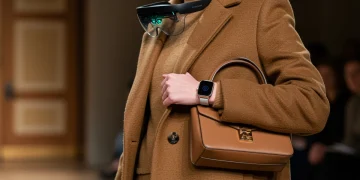
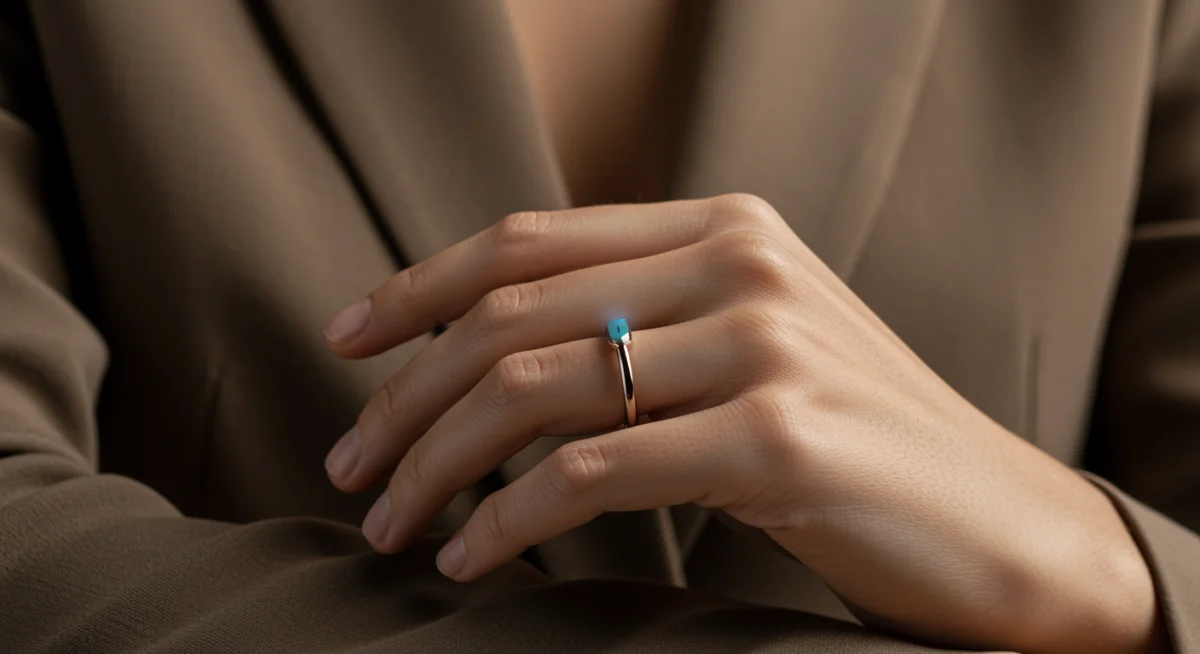
Smart jewelry is rapidly moving beyond chunky smartwatches to embrace elegance and subtlety, becoming an indispensable part of everyday fashion. These pieces seamlessly integrate advanced technology into classic designs, offering functionality without sacrificing style. By mid-2026, expect to see smart rings, necklaces, and bracelets that are indistinguishable from traditional high-end accessories, yet packed with capabilities.
Advertisement
The appeal lies in their dual nature: they serve as beautiful adornments while providing discreet access to notifications, health tracking, and even payment functionalities. This blend of form and function is precisely what the modern consumer in the US is seeking, driving their adoption into mainstream fashion.
Integrating Health and Wellness Discreetly
One of the most significant advancements in smart jewelry is its ability to discreetly monitor health and wellness. Unlike bulkier fitness trackers, these elegant pieces offer continuous data collection without drawing attention.
- Heart Rate Monitoring: Many smart rings and pendants now offer accurate, continuous heart rate tracking, providing insights into cardiovascular health.
- Sleep Analysis: Advanced sensors can analyze sleep patterns, offering personalized recommendations for better rest, all while worn comfortably.
- Stress Detection: Some devices are capable of detecting stress indicators through biometric data, prompting users to take mindfulness breaks or regulate breathing.
- Activity Tracking: Step counts, calorie burn, and distance covered are integrated subtly, encouraging a more active lifestyle without constant screen checks.
Fashion-Forward Design and Customization
The aesthetics of smart jewelry are paramount to its success in the fashion market. Manufacturers are collaborating with renowned designers to create pieces that are both technologically advanced and visually stunning. Customization options are also expanding, allowing users to choose materials, finishes, and even integrate precious stones, making each piece truly personal.
Advertisement
The evolution of smart jewelry signifies a shift from tech as a visible statement to tech as an integrated, refined element of personal style. This discreet yet powerful integration perfectly aligns with contemporary fashion sensibilities, where functionality meets understated luxury. As technology miniaturizes further, the possibilities for intricate designs and enhanced features will only continue to grow, solidifying smart jewelry’s place in the fashion landscape.
Augmented Reality Glasses: The New Visual Accessory
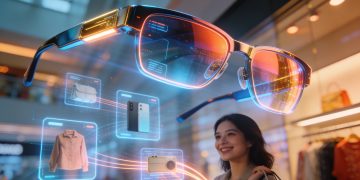
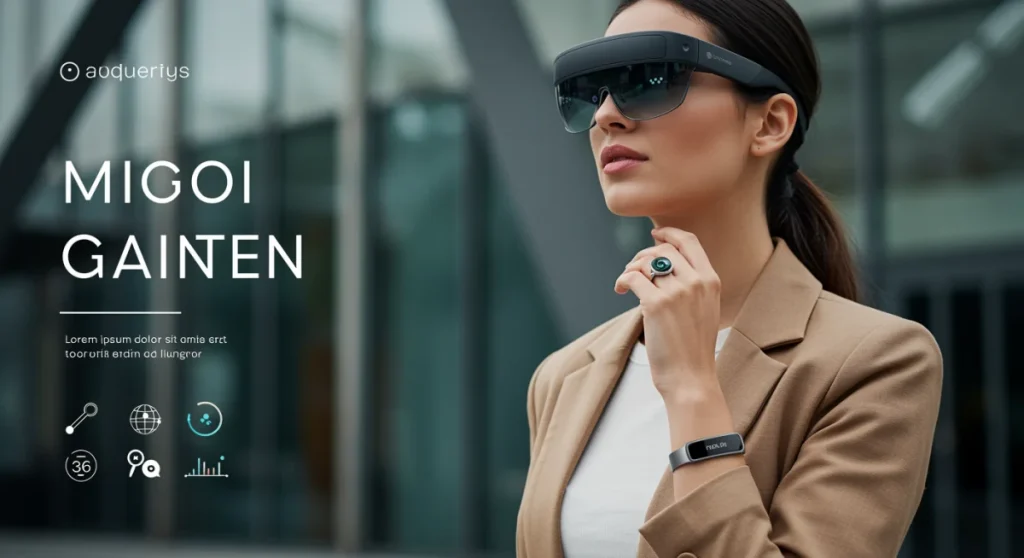
Augmented Reality (AR) glasses are poised to become the next must-have visual accessory, transcending their initial utilitarian purpose to blend seamlessly with fashion. By mid-2026, these glasses will offer more than just digital overlays; they will be an integral part of personal expression and daily interaction. The US market, always keen on innovation, is ready for this stylish technological leap.
Early iterations were often clunky, but significant advancements in design, weight, and display technology have transformed AR glasses into sleek, comfortable eyewear. They are no longer just for early adopters but are becoming appealing to a broader demographic interested in both functionality and aesthetic appeal.
Seamless Integration of Digital and Physical Worlds
The primary function of AR glasses is to overlay digital information onto the real world, enhancing everyday experiences without fully immersing users in a virtual one. This capability is becoming increasingly sophisticated, offering practical applications that fit effortlessly into daily routines.
- Navigation: Directions can be projected directly onto the wearer’s field of vision, making urban exploration and commuting more intuitive.
- Information Overlays: Contextual information about landmarks, products, or people can appear, enriching real-world interactions.
- Communication: Discreet notifications, messages, and even video calls can be managed without needing to pull out a smartphone.
- Entertainment: Light gaming, streaming content, and interactive experiences can be enjoyed in a hands-free manner, blending with the environment.
Fashion-Forward Frames and Customization
For AR glasses to truly dominate fashion trends, their design must be as important as their technology. Manufacturers are investing heavily in creating frames that are stylish, lightweight, and customizable, resembling high-end eyewear rather than clunky gadgets. Collaborations with leading fashion houses are producing designer AR glasses that appeal to a discerning clientele.
The ability to choose different frame styles, colors, and even lens tints will allow individuals to integrate AR glasses into their personal style, making them a statement piece rather than just a utility. This focus on aesthetics, combined with powerful features, positions AR glasses as a key component of future fashion, offering a blend of practical utility and cutting-edge style that resonates with the US consumer base.
Smart Fabrics and Apparel: Clothing That Connects
Smart fabrics and apparel represent a revolution in clothing design, transforming garments from passive coverings into active, intelligent systems. By mid-2026, these innovative textiles will be seamlessly integrated into everyday wear, offering functionalities that range from health monitoring to environmental adaptation, all while maintaining a fashionable aesthetic. The US market is particularly receptive to clothing that offers both comfort and advanced capabilities.
The development of conductive threads, embedded sensors, and miniature electronics allows clothing to perform tasks previously relegated to separate devices. This convergence of fashion and technology is creating a new category of apparel that is both practical and stylish, appealing to health-conscious and tech-savvy consumers alike.
Health and Performance Monitoring
A significant driver for the adoption of smart fabrics is their ability to monitor crucial health and performance metrics discreetly. This makes them ideal for athletes, health enthusiasts, and anyone looking to keep tabs on their well-being without additional gadgets.
- Biometric Tracking: Shirts can track heart rate, respiration, and body temperature directly from the skin, providing precise data.
- Movement Analysis: Leggings and tops can analyze posture, gait, and exercise form, offering real-time feedback to prevent injuries and improve performance.
- Hydration Sensing: Some fabrics can detect hydration levels, prompting users to drink water before dehydration sets in.
- UV Protection Alert: Clothing can alert wearers to excessive UV exposure, promoting sun safety in a fashionable way.
Adaptive and Interactive Clothing
Beyond monitoring, smart fabrics are evolving to create clothing that actively adapts to its environment and interacts with the wearer. This level of responsiveness enhances comfort and utility, making garments truly intelligent.
Imagine a jacket that automatically adjusts its insulation based on ambient temperature, or a shirt that gently vibrates to remind you to correct your posture. These advancements are not just theoretical; prototypes are already demonstrating these capabilities. The aesthetic challenge lies in making these features invisible, ensuring the clothing remains fashionable and comfortable. As manufacturing processes become more refined, smart fabrics will become indistinguishable from traditional textiles, solidifying their place in fashion trends.
Discreet Communication Devices: Subtlety is Key
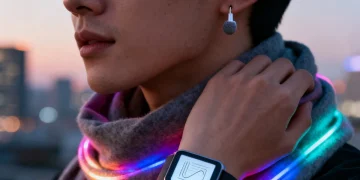
In an increasingly connected world, the demand for discreet and elegant communication devices is on the rise. By mid-2026, the US fashion landscape will see an influx of wearable gadgets that allow for seamless interaction without the overt presence of smartphones or traditional wearables. This shift emphasizes subtlety, integrating communication tools into everyday accessories.
These devices are designed for quick glances, subtle vibrations, and minimal interaction, allowing users to stay connected without being constantly tethered to a screen. The focus is on enhancing presence in the real world while maintaining access to essential digital communications, a true blend of tech and lifestyle.
Integrated into Everyday Accessories
The beauty of these discreet communication devices lies in their ability to blend into common fashion accessories. They are not meant to stand out but rather to enhance functionality without compromising style.
- Smart Rings with Haptic Feedback: Rings that vibrate subtly for notifications, allowing users to filter important alerts without looking at a screen.
- Audio-Enabled Earrings/Pendants: These can deliver audio notifications, turn-by-turn directions, or even facilitate calls through bone conduction technology, all while looking like regular jewelry.
- Smart Brooches/Pins: Small, decorative pins that can display minimalist icons for messages or calendar alerts, offering a quick visual update.
- Connected Bracelets: Bracelets that provide discreet haptic feedback or subtle light patterns for incoming calls or messages, keeping the wearer informed without interruption.
Enhancing Presence and Reducing Screen Time
A major benefit of discreet communication devices is their potential to reduce screen time and foster a greater sense of presence in social interactions. Instead of constantly checking a phone, users can receive essential information through a quick glance or a gentle vibration.
This approach aligns with a growing desire for digital wellness, where technology serves as an enabler rather than a distraction. As these devices become more sophisticated and aesthetically refined, they will become a staple in the fashion-conscious individual’s wardrobe, offering a balanced approach to connectivity and real-world engagement. The elegance of their design ensures they complement any outfit, making them a natural fit for future fashion trends.
The Intersection of Affordability and Innovation in Wearables
The widespread adoption of any technology, especially in fashion, hinges on both innovation and affordability. By mid-2026, the US market for wearable tech will see a significant push towards making cutting-edge gadgets accessible to a broader consumer base. This means that while high-end designer pieces will exist, the true market penetration will come from affordable, yet stylish, innovations.
Companies are increasingly focusing on economies of scale and efficient manufacturing processes to bring down costs. This strategy ensures that the advancements in smart jewelry, AR glasses, smart fabrics, and discreet communication devices are not just for the luxury segment but for everyday fashion enthusiasts.
Democratizing Wearable Fashion
The influence of fast fashion giants and accessible tech brands is crucial in democratizing wearable technology. These players are adept at quickly translating trends into affordable products, making them available to a mass market.
- Shein’s Role: Platforms like Shein, known for their rapid production cycles and low prices, could potentially integrate simpler wearable tech into their offerings, making it ubiquitous.
- Accessible Materials: Use of more affordable yet durable materials will reduce production costs, passing savings onto consumers without compromising functionality.
- Modular Designs: Creating modular components allows for easier upgrades and repairs, extending product lifespan and perceived value.
- Subscription Models: Some companies might offer subscription-based access to advanced features, making the initial device purchase more affordable.
Balancing Cost, Style, and Functionality
The challenge lies in striking the right balance between cost, style, and functionality. Consumers expect wearables to look good, perform reliably, and not break the bank. Brands that master this equilibrium will dominate the market. This requires clever engineering and design that prioritizes essential features while maintaining an appealing aesthetic.
Furthermore, the integration of these technologies into everyday accessories means that they must be durable enough to withstand daily wear and tear. The focus on affordability doesn’t mean a compromise on quality, but rather smart design choices that deliver value. This dynamic will drive the rapid integration of wearable tech into mainstream US fashion, making it a common sight rather than a futuristic novelty.
Ethical Considerations and Consumer Acceptance
As wearable technology becomes more intertwined with fashion, ethical considerations, particularly around privacy and data security, come to the forefront. Consumer acceptance hinges not only on style and functionality but also on trust and transparency. By mid-2026, brands will need to navigate these complex issues carefully to ensure widespread adoption among US consumers.
The collection of personal data, especially health and location information, raises significant concerns. Consumers are becoming increasingly aware of their digital footprint and demand greater control over their data. Therefore, clear policies and robust security measures will be paramount for any wearable tech brand hoping to succeed in the fashion market.

Privacy and Data Security
The continuous monitoring capabilities of many wearable devices mean they collect a wealth of personal data. This data, if mishandled, could pose significant risks to individual privacy.
- Transparent Data Policies: Companies must clearly communicate what data is collected, how it’s used, and with whom it’s shared.
- Robust Encryption: All data transmitted and stored by wearable devices should be encrypted to prevent unauthorized access.
- User Control: Consumers should have easy-to-understand controls to manage their data, including options to opt-out of certain data collection or sharing.
- Regulatory Compliance: Adherence to data protection regulations like GDPR (even if primarily European, its principles influence global standards) and emerging US state-level privacy laws will be crucial.
Societal Impact and Digital Etiquette
Beyond individual privacy, the proliferation of wearable tech also raises questions about societal norms and digital etiquette. How will AR glasses change social interactions? What are the implications of always-on health monitoring?
These are questions that society will grapple with as these technologies become more commonplace. Brands have a responsibility to not only innovate but also to consider the broader impact of their products. Promoting responsible use and designing devices that enhance, rather than detract from, human connection will be key to long-term consumer acceptance. Ultimately, the successful integration of wearable tech into fashion will depend on a delicate balance of innovation, style, and ethical responsibility, fostering trust and ensuring a positive user experience.
The Future of Fashion: Personalization and Seamless Integration
The trajectory of wearable tech in US fashion points towards an era of unparalleled personalization and seamless integration. By mid-2026, fashion will be less about generic trends and more about individual expression, augmented and enhanced by intelligent devices. This future envisions a world where technology is not an add-on but an intrinsic part of our attire, adapting to our needs and reflecting our unique style.
The advancements discussed—smart jewelry, AR glasses, smart fabrics, and discreet communication devices—all contribute to this vision. They represent a move towards a more intuitive and responsive wardrobe, one that understands and supports the wearer’s lifestyle without compromising on aesthetic appeal.
Tailoring Tech to Individual Style
The next phase of wearable tech will heavily emphasize customization. Consumers will demand devices that match their personal aesthetic, much like they choose clothing or accessories today.
- Modular Components: The ability to swap out elements of wearable devices, such as bands for smartwatches or frames for AR glasses, to match different outfits or occasions.
- AI-Driven Style Recommendations: Wearables that learn a user’s style preferences and suggest compatible tech accessories or even entire outfits.
- 3D Printing and Custom Manufacturing: Technologies that allow for bespoke wearable tech, created to exact specifications and personalized designs.
- Software Customization: Beyond hardware, the interfaces and notifications of wearable devices will offer extensive customization options, aligning with individual preferences.
Beyond Gadgets: Lifestyle Enablers
Ultimately, the goal is for wearable tech to transcend its status as mere gadgets and become essential lifestyle enablers. They should fade into the background, providing benefits without requiring constant attention or conscious effort. This seamless integration is what will truly define their dominance in fashion.
This vision means wearables will become so intuitive and aesthetically integrated that their technological nature is almost forgotten. They will simply be a part of how we dress, how we interact, and how we live. This complete fusion of fashion and technology promises a future where personal style is not just seen but also felt and experienced through intelligent apparel and accessories, setting the stage for a truly innovative era in US fashion.
| Key Wearable Tech | Dominant Trend by Mid-2026 |
|---|---|
| Smart Jewelry | Elegant health tracking and discreet notifications integrated into high-fashion accessories. |
| AR Glasses | Stylish eyewear offering seamless digital information overlays and communication. |
| Smart Fabrics | Apparel with embedded sensors for health monitoring and environmental adaptation. |
| Discreet Communicators | Subtle devices integrated into accessories for minimal-interruption connectivity. |
Frequently Asked Questions About Wearable Tech and Fashion
Wearable tech fashion refers to the integration of technology into clothing and accessories, designed to be both functional and aesthetically pleasing. It goes beyond basic fitness trackers, aiming to seamlessly blend smart features with current style trends, enhancing daily life discreetly.
Smart jewelry will elevate traditional fashion by offering elegant pieces that also provide discreet health tracking and notifications. It will push designers to innovate, creating accessories that are both beautiful adornments and sophisticated technological tools, blurring the lines between tech and luxury.
Yes, AR glasses are rapidly evolving from bulky gadgets to sleek, fashionable eyewear. Advancements in design and miniaturization mean they can now offer digital overlays and communication features while closely resembling high-end spectacles, making them a stylish visual accessory.
Smart fabrics offer benefits like integrated health monitoring (heart rate, posture), adaptive temperature control, and enhanced comfort. They allow clothing to actively respond to the wearer’s needs and environment, providing functional advantages without compromising on style or fit.
Affordability is crucial for widespread wearable tech adoption. As manufacturing processes improve and economies of scale take effect, these gadgets will become more accessible to the average consumer. This will democratize wearable tech fashion, moving it from a luxury item to a mainstream trend by mid-2026.
Conclusion
By mid-2026, the US fashion landscape will be irrevocably transformed by the seamless integration of wearable technology. From elegant smart jewelry and sophisticated AR glasses to intelligent fabrics and discreet communication devices, these innovations are not merely gadgets but essential extensions of personal style and functionality. The emphasis will be on design that complements rather than competes with fashion, offering utility without sacrificing aesthetic appeal. As ethical considerations are addressed and affordability increases, these wearable gadgets are set to become ubiquitous, making the future of fashion an exciting blend of innovation, personalization, and seamless connectivity.