DIY Fashion Hacks: 5 Tips to Extend Clothes Life by 6 Months
Advertisement
Discover 5 proven DIY fashion hacks that extend clothing lifespan by 6 months. These practical tips help save money while maintaining wardrobe quality. Simple techniques anyone can apply at home.
DIY Fashion Hacks: Extend the Life of Your Clothes by 6 Months with These 5 Tips
The average person buys 60% more clothes than they did just a decade ago, yet most garments are worn only seven times before being discarded. This rapid consumption cycle harms both your wallet and the environment. The good news: you don’t need to sacrifice style for sustainability.
These five practical DIY fashion hacks can add six months or more to your wardrobe’s lifespan, saving you hundreds of dollars annually while reducing textile waste. Each tip is simple enough to implement immediately and requires minimal tools.
Understanding Why Clothes Wear Out Faster
Before diving into solutions, it’s important to understand what causes premature clothing deterioration. Most damage stems from improper washing, poor storage, and neglecting minor repairs before they become major issues. Fabrics break down faster when exposed to excessive heat, harsh detergents, or mechanical stress from frequent washing.
According to the American Cleaning Institute, the average household does approximately 300 loads of laundry annually. Each cycle subjects garments to friction, temperature changes, and chemical exposure. Understanding these factors helps you make informed decisions about garment care.
Advertisement
The Hidden Cost of Neglect
Small issues become big problems quickly in clothing. A loose thread, if left unattended, can unravel an entire seam. A small stain that isn’t treated promptly often becomes permanent. These seemingly minor oversights account for nearly 40% of premature clothing disposal, according to fashion sustainability researchers.
Investing just 15 minutes weekly in basic garment maintenance can dramatically extend your clothes’ usable life. This approach aligns with the growing “slow fashion” movement, which emphasizes quality over quantity and mindful consumption.
Hack #1: The Cold Water Revolution
Washing clothes in cold water instead of hot or warm water is one of the simplest ways to extend garment life. Cold water is gentler on fibers, prevents colors from fading, and uses significantly less energy. Most everyday clothing—from t-shirts to jeans—cleans perfectly well at temperatures between 60-80°F.
Advertisement
Hot water breaks down fabric fibers over time, causing clothes to thin and lose their shape. Delicate items like silk, wool, and certain synthetics practically require cold water to maintain their structure. Modern detergents are formulated specifically for cold water effectiveness.
When Hot Water Makes Sense
Certain situations warrant warmer washing temperatures. Bedding, towels, and undergarments benefit from hot water to eliminate bacteria and allergens. Heavily soiled work clothes may also require higher temperatures. For everything else, cold water provides adequate cleaning while preserving fabric integrity.
- Set your washing machine to cold water as the default setting
- Use a quality cold-water detergent for best results
- Sort clothes by color and fabric type before washing
- Consider washing full loads to maximize efficiency
Hack #2: Master the Art of Proper Storage
How you store your clothes matters as much as how you wash them. Improper storage causes wrinkles, stretched fibers, and moth damage. Hanging heavier items like jeans and sweaters can permanently deform their shape, while folding delicate fabrics prevents creasing and fiber stress.
Climate control plays a crucial role in garment preservation. Humidity encourages mold growth and attracts pests, while excessive dryness can crack leather and damage natural fibers. The ideal storage environment maintains moderate temperature and humidity levels year-round.
Seasonal Rotation Strategies
Rotating your wardrobe seasonally reduces wear on infrequently worn items. Store off-season clothes in breathable garment bags or vacuum-sealed containers. This protects them from dust, light exposure, and potential pest damage while freeing up closet space for current-season items.
Before storing, ensure all clothes are completely clean. Food stains and body oils attract moths and can set permanently during storage. Adding cedar blocks or lavender sachets provides natural pest deterrence without harsh chemicals.
Hack #3: The Quick Fix Philosophy
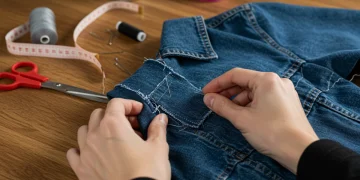
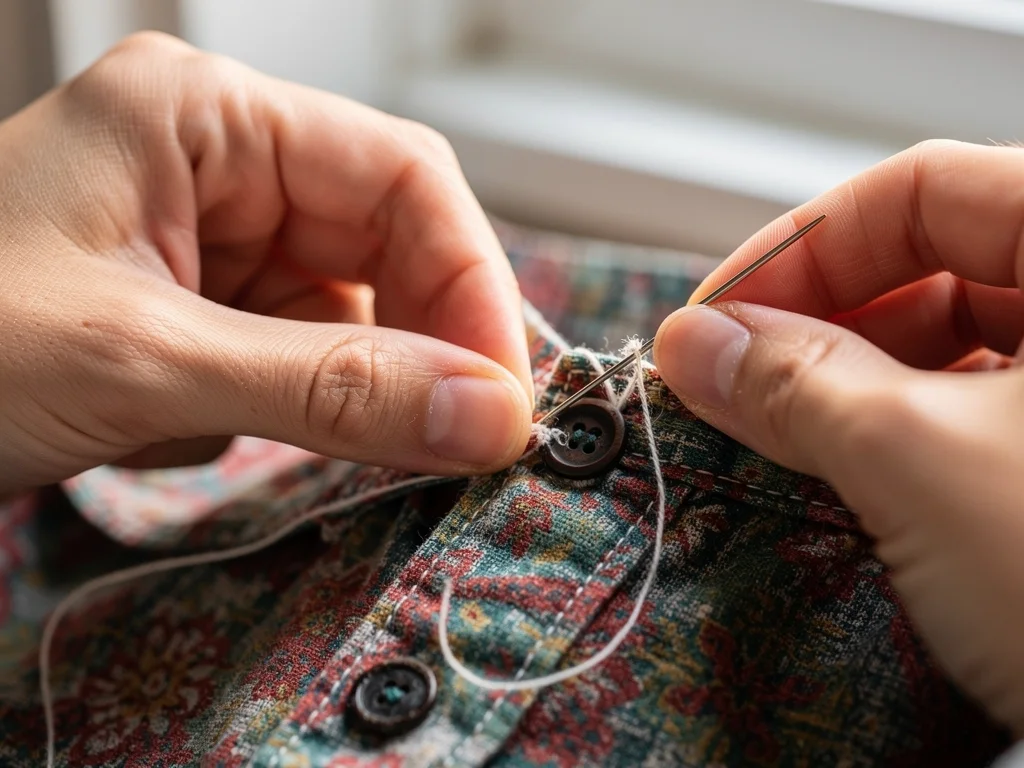
Addressing minor damage immediately prevents catastrophic failures later. Carrying a small sewing kit allows you to repair loose buttons, fix small tears, and secure loose seams before they worsen. Most fixes take less than five minutes and require basic hand-sewing skills.
The key is developing a “quick fix” mindset. When you notice a problem— whether it’s a missing button, a loose hem, or a small hole—address it within a few days. This prevents the damage from spreading and keeps your clothes wearable longer.
Essential Repair Skills Everyone Should Know
Three basic repairs cover most common clothing issues. First, learn to sew on a button—it takes practice but becomes second nature quickly. Second, master the running stitch for securing loose seams. Third, understand how to apply iron-on patches for reinforcing weak areas or covering small holes.
Online tutorials make learning these skills accessible to anyone. Starting with less visible items allows you to practice without worrying about appearance. Once confident, you can handle visible repairs with matching thread.
Hack #4: Strategic Washing Techniques
Reducing washing frequency significantly extends clothing life. Not every wearing requires washing—many items can be worn multiple times between cleanings, especially underlayers and items that don’t contact skin directly. Air out clothes between wears to refresh them naturally.
Turning garments inside out before washing protects their exterior surfaces from abrasion. Using mesh laundry bags for delicate items prevents tangling and mechanical damage. Selecting the gentle cycle reduces agitation stress on fabrics.
Detergent Matters More Than You Think
Using too much detergent leaves residue that attracts dirt and breaks down fibers. Following package recommendations precisely ensures proper cleaning without excess chemicals. High-efficiency washers require even less detergent than traditional models.
Choosing detergents free from harsh additives like phosphates and optical brighteners helps preserve fabric integrity. For sensitive skin or delicate items, gentler formulations made specifically for fine fabrics provide effective cleaning without damage.
Hack #5: Embrace Strategic Rotation
Wearing the same clothes repeatedly accelerates wear. Implementing a rotation system ensures even use across your wardrobe, preventing favorite items from bearing disproportionate stress. This approach also helps you discover forgotten pieces you can reintegrate into your regular wear.
Creating a capsule wardrobe of versatile, high-quality pieces that work together simplifies rotation. These foundational items can be mixed and matched, reducing the need for constant new purchases while maximizing outfit possibilities from fewer garments.
The Benefits of Thoughtful Consumption
Before buying something new, consider whether you truly need it and how it fits your existing wardrobe. Quality over quantity remains the cornerstone of sustainable fashion. Investing in well-made pieces that last years often costs less than repeatedly buying cheaper alternatives.
These DIY fashion hacks represent a shift in thinking—from disposable fashion to mindful stewardship of your wardrobe. The cumulative effect of these small changes can extend your clothes’ life by six months or more, benefiting both your budget and the planet.
What Happens Now
Implementing these five hacks doesn’t require dramatic lifestyle changes. Start with one or two that fit easily into your routine, then gradually incorporate others. Within a few months, you’ll notice your clothes lasting longer and looking better between purchases.
The fashion industry continues evolving toward sustainability, but meaningful change starts with individual choices. By extending your clothes’ lifespan through these DIY techniques, you join a growing movement of conscious consumers redefining what it means to dress well while respecting both personal finances and environmental resources.